Blog → Rebuilding the Monsgeek M1
About the
The revival started with full disassembly and cleaning. The M1 consists of 8 layers, including the PCB, and this sandwich is held together by 20 screws: 6 attach the top frame to the bottom part, another 6 connect the PCB to the mounting plate. The remaining 8 go to the 4 stabilizers. These are screws of three different types, so it’s impossible to mix them up.
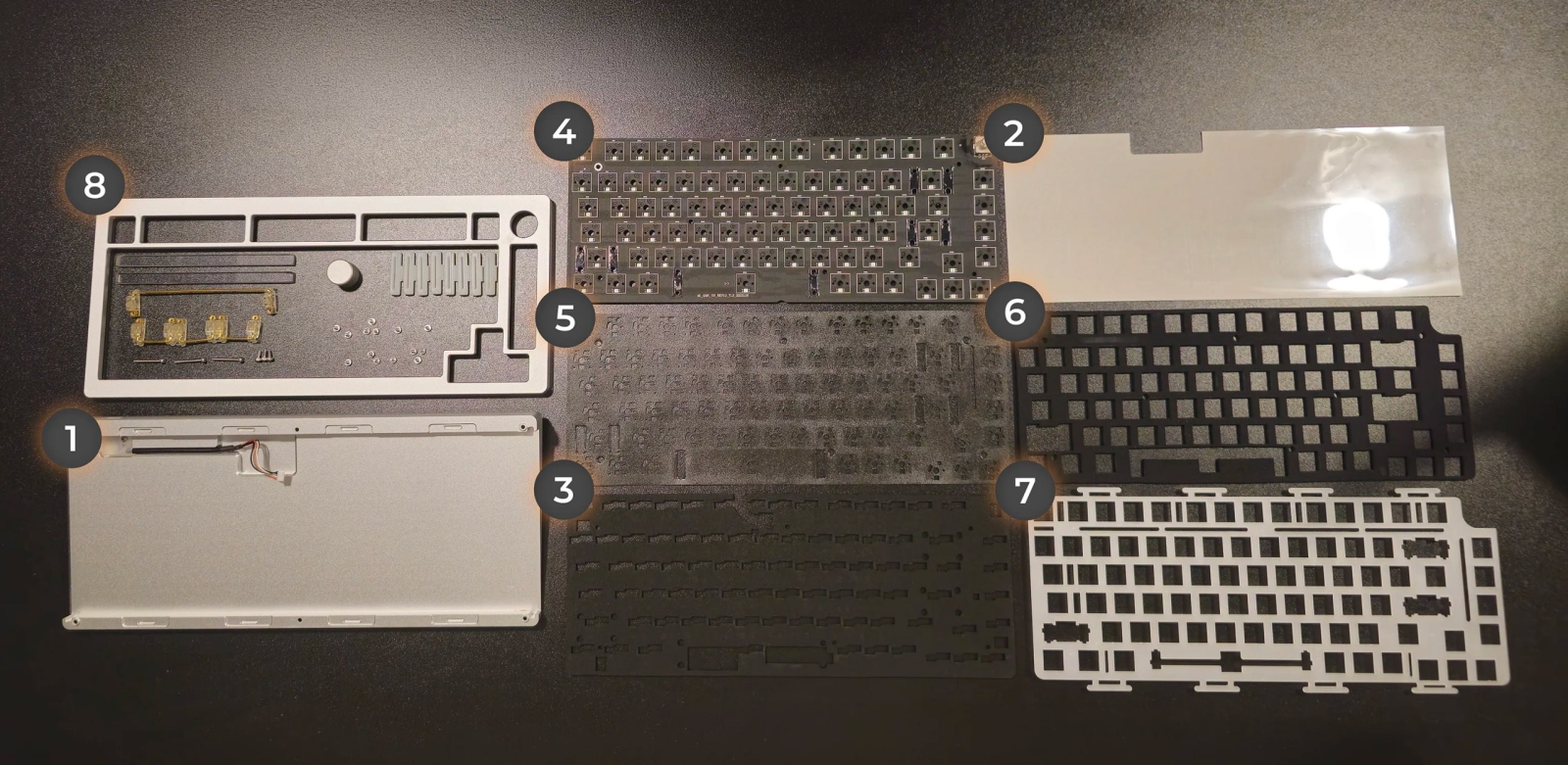
The order of components in the assembled keyboard, from bottom to top:
- Metal base
- Dielectric sheet
- Bottom PCB sound dampening
- The PCB itself
- Switch pad
- Top PCB sound dampening
- Mounting plate (positions the switches)
- Metal frame
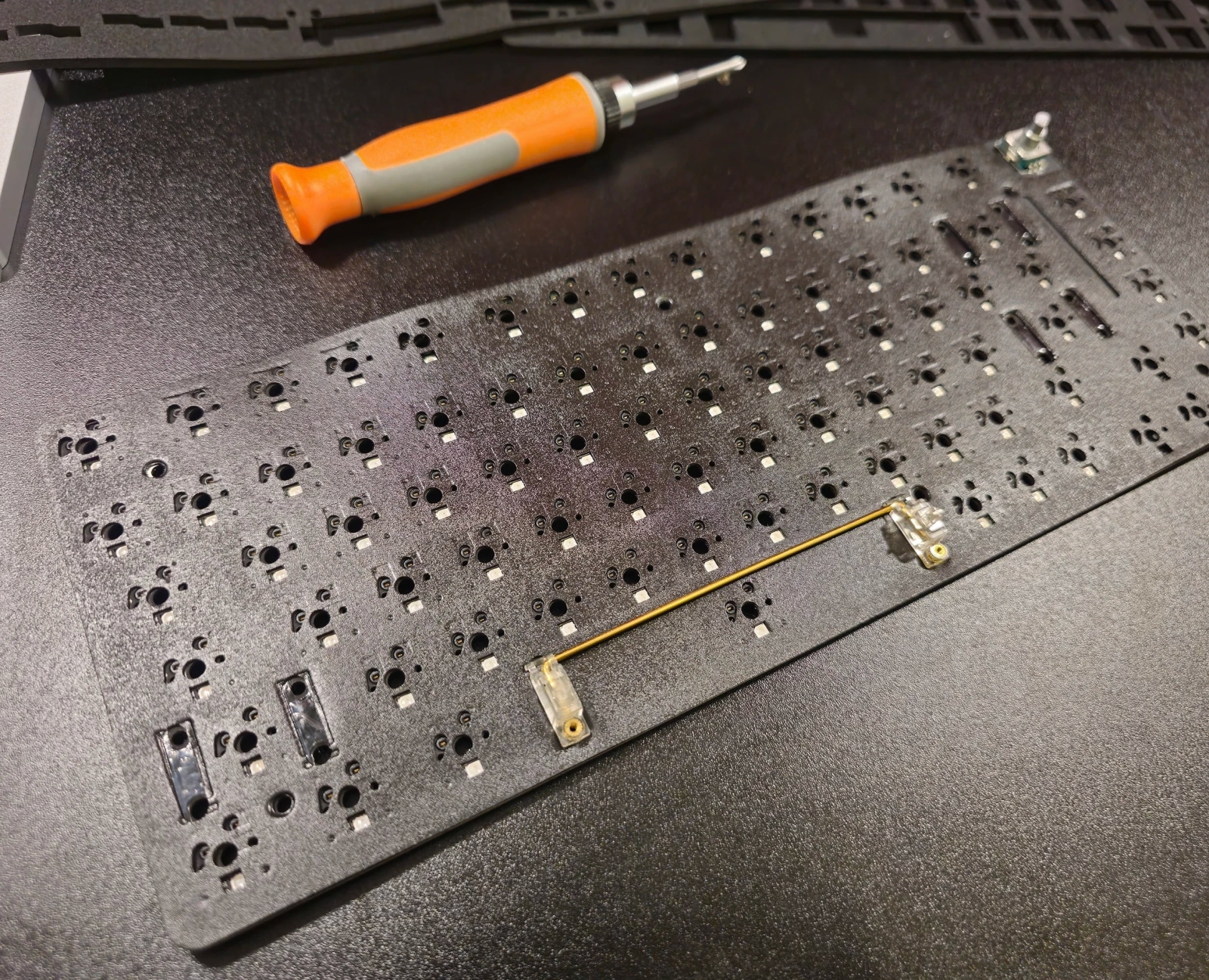
The stabilizers are mounted on top of the switch pad. Their hooks go into the elongated holes, and the threaded sleeve goes into the round ones. After a light click that locks the threaded sleeve, a screw is tightened into it from the back side of the PCB.
Before fixing the stabilizers, the pad should be flattened as much as possible, even if it goes in waves. The waves will disappear when the next layer presses the pad.
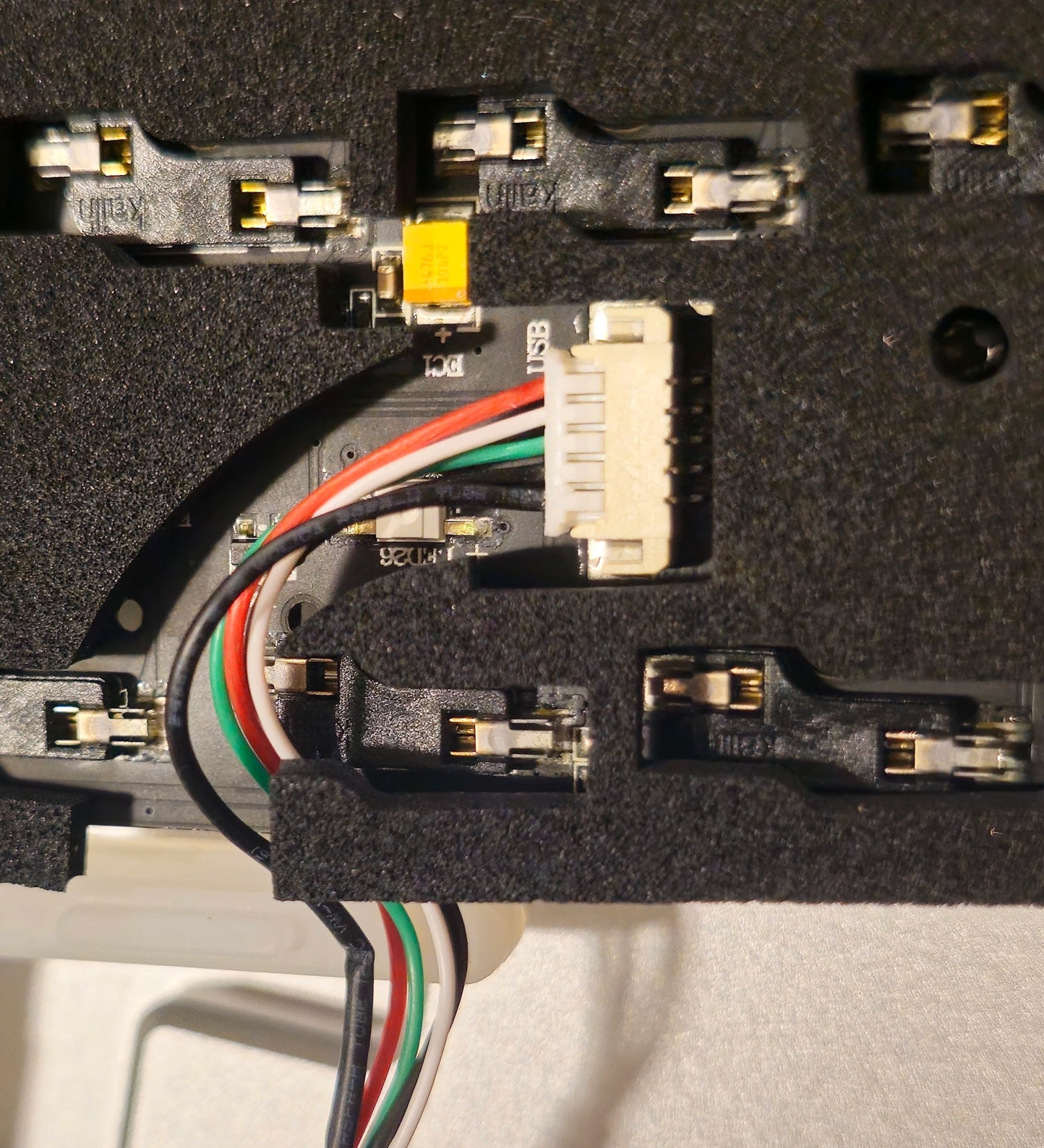
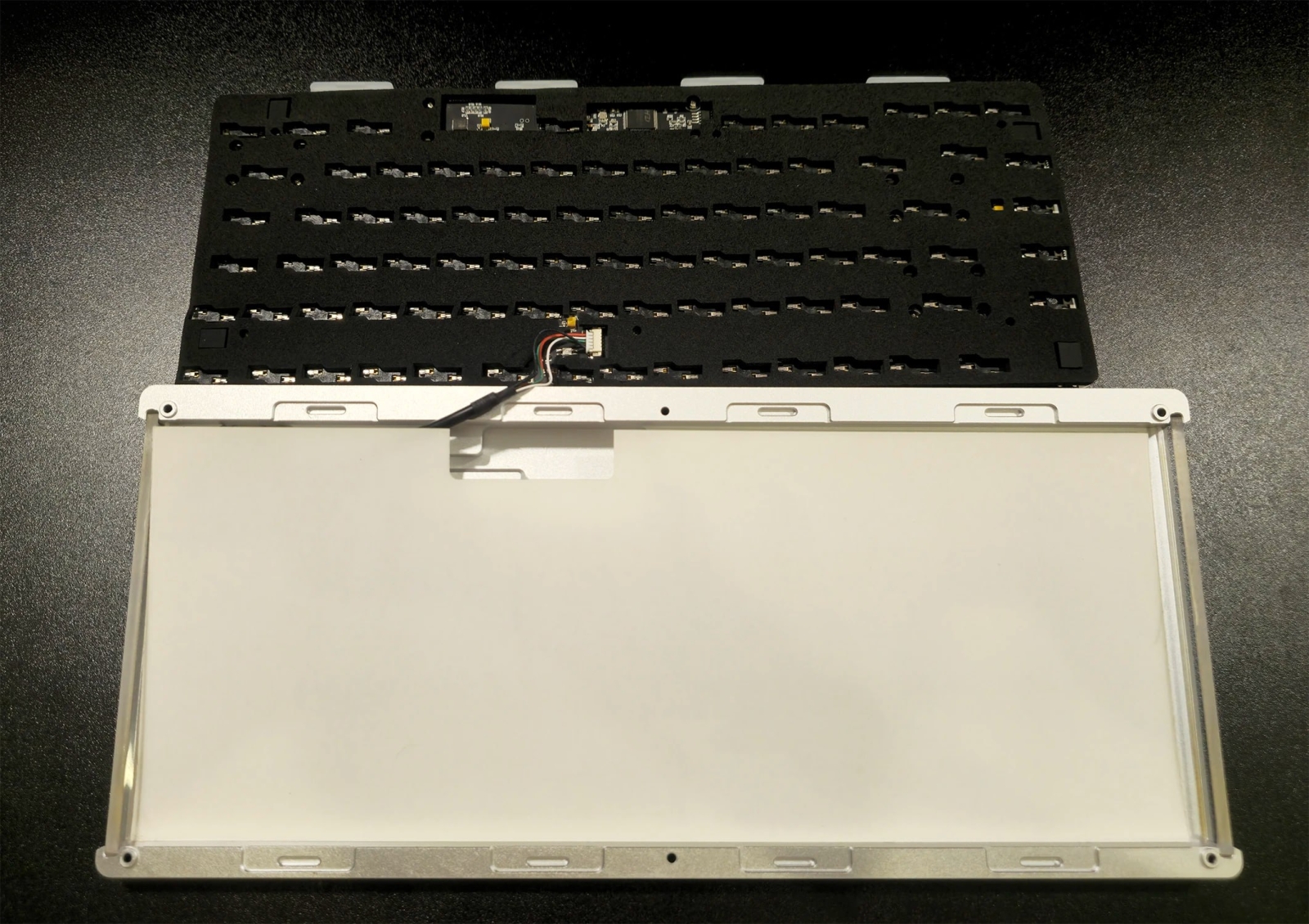
The USB port is located in the metal base of the case and connects to the PCB with a 5-pin
There are also two metal inserts on the sides (during the first assembly, I replaced them with clear acrylic), and the mounting plate has silicone gaskets that hold it between the base and the frame. The encoder knob can be installed at any stage. That’s actually all there is to say about the M1 design.
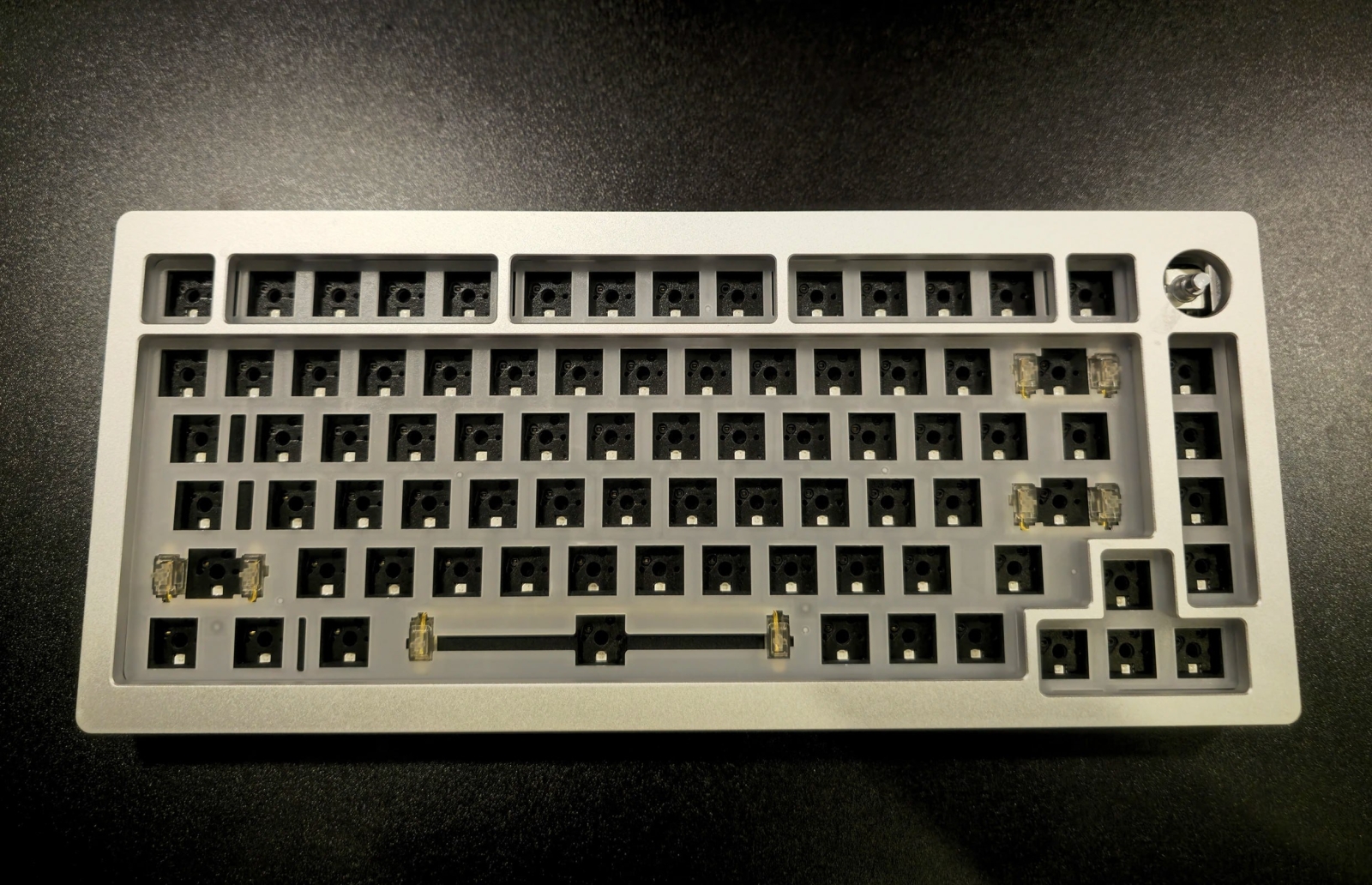
Switches
During the rebuild, the keyboard got an improved version of the
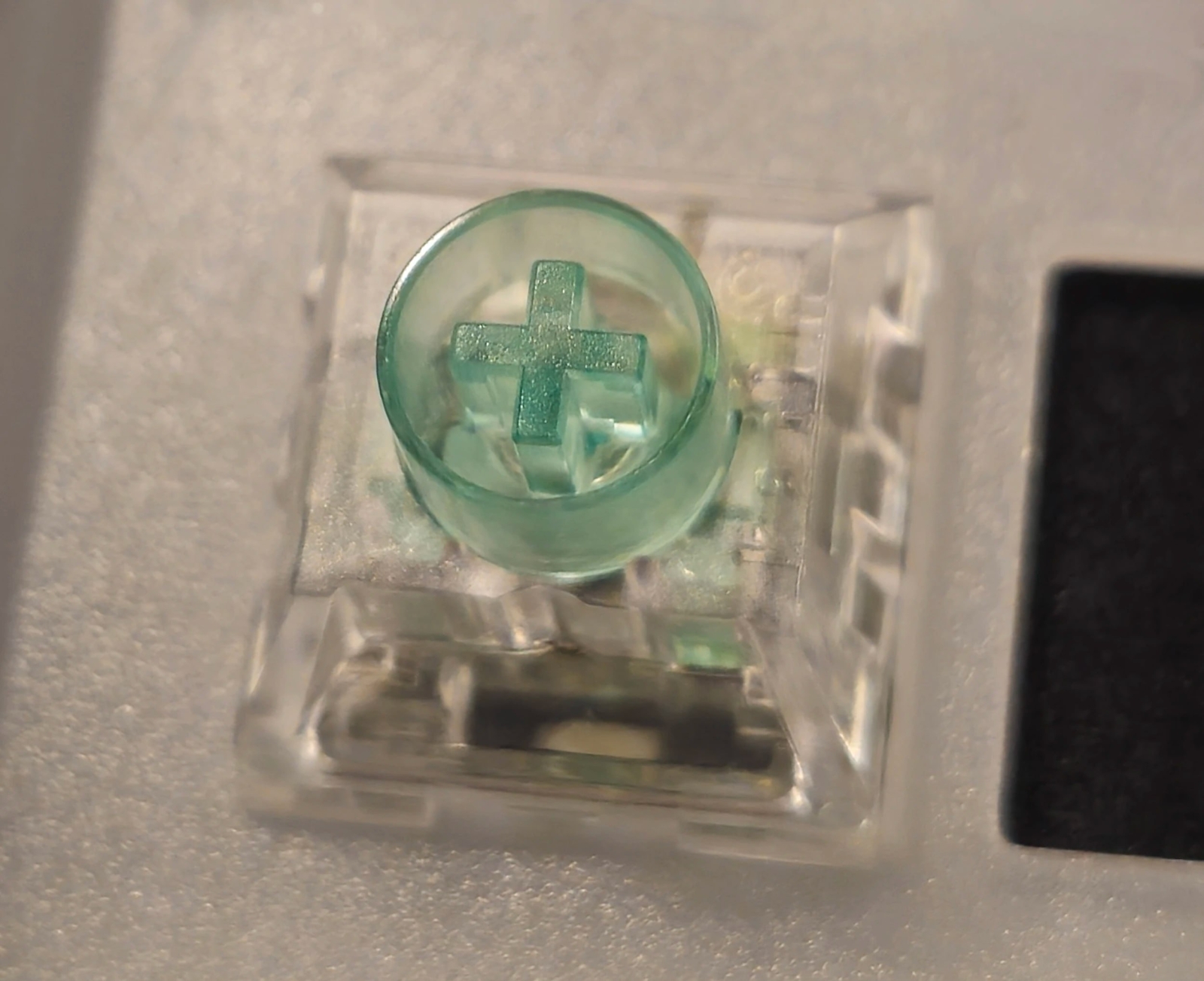
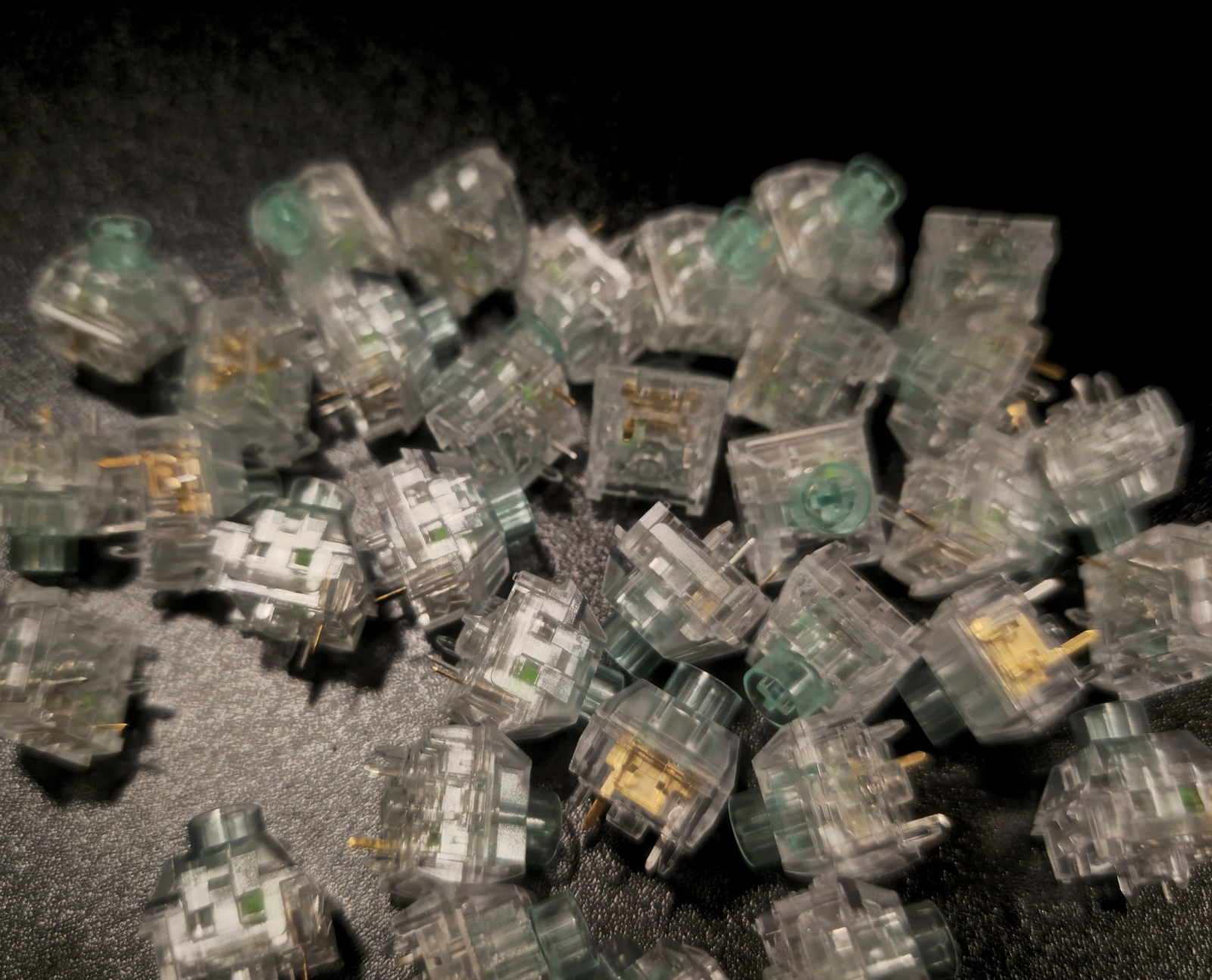
It won’t be an exaggeration to say that at the moment, these are the best mass-market clicky switches.
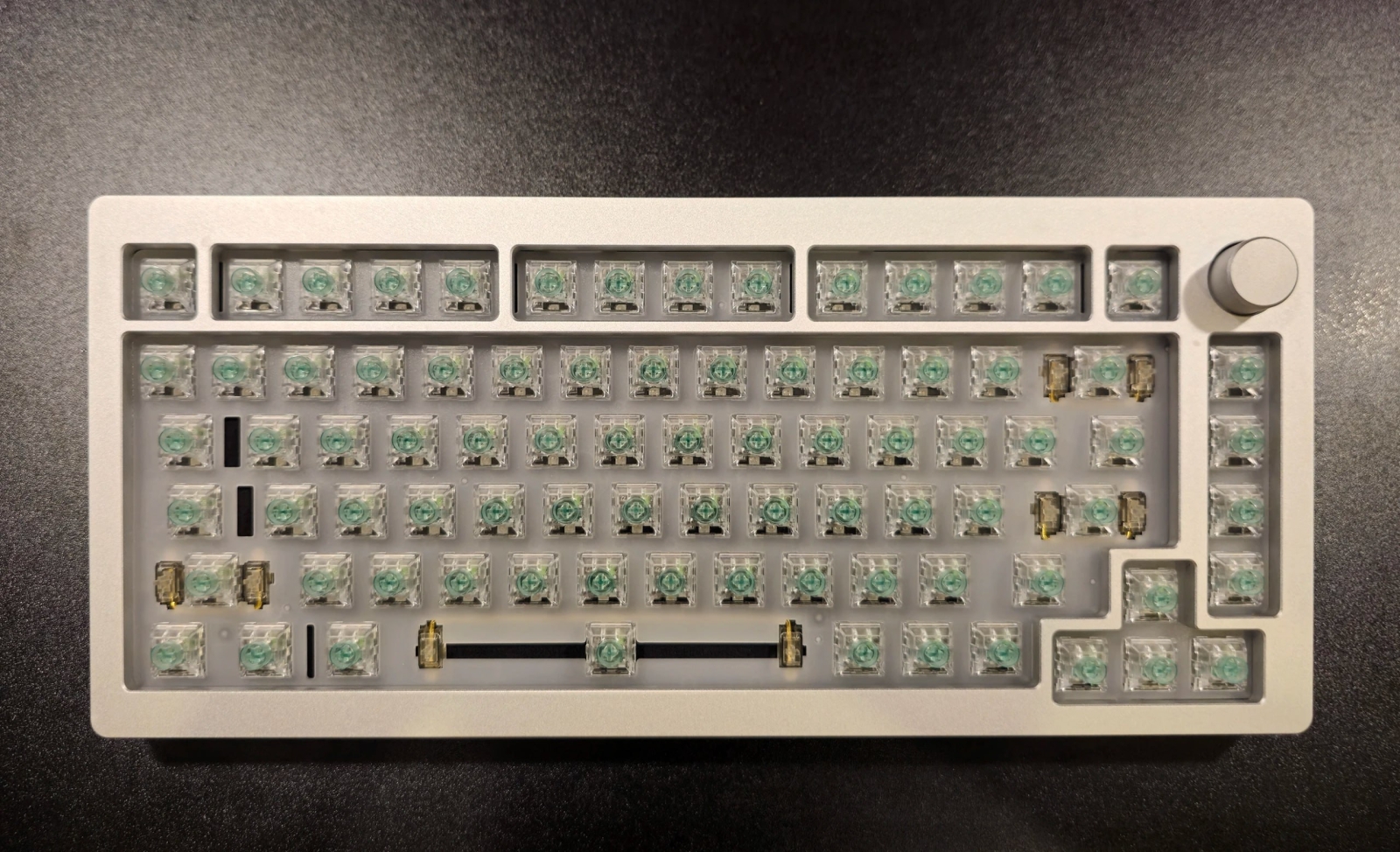
Keycaps
As a rule, I prefer keycaps without any legends – they look cleaner and are easier to swap. But one look at the
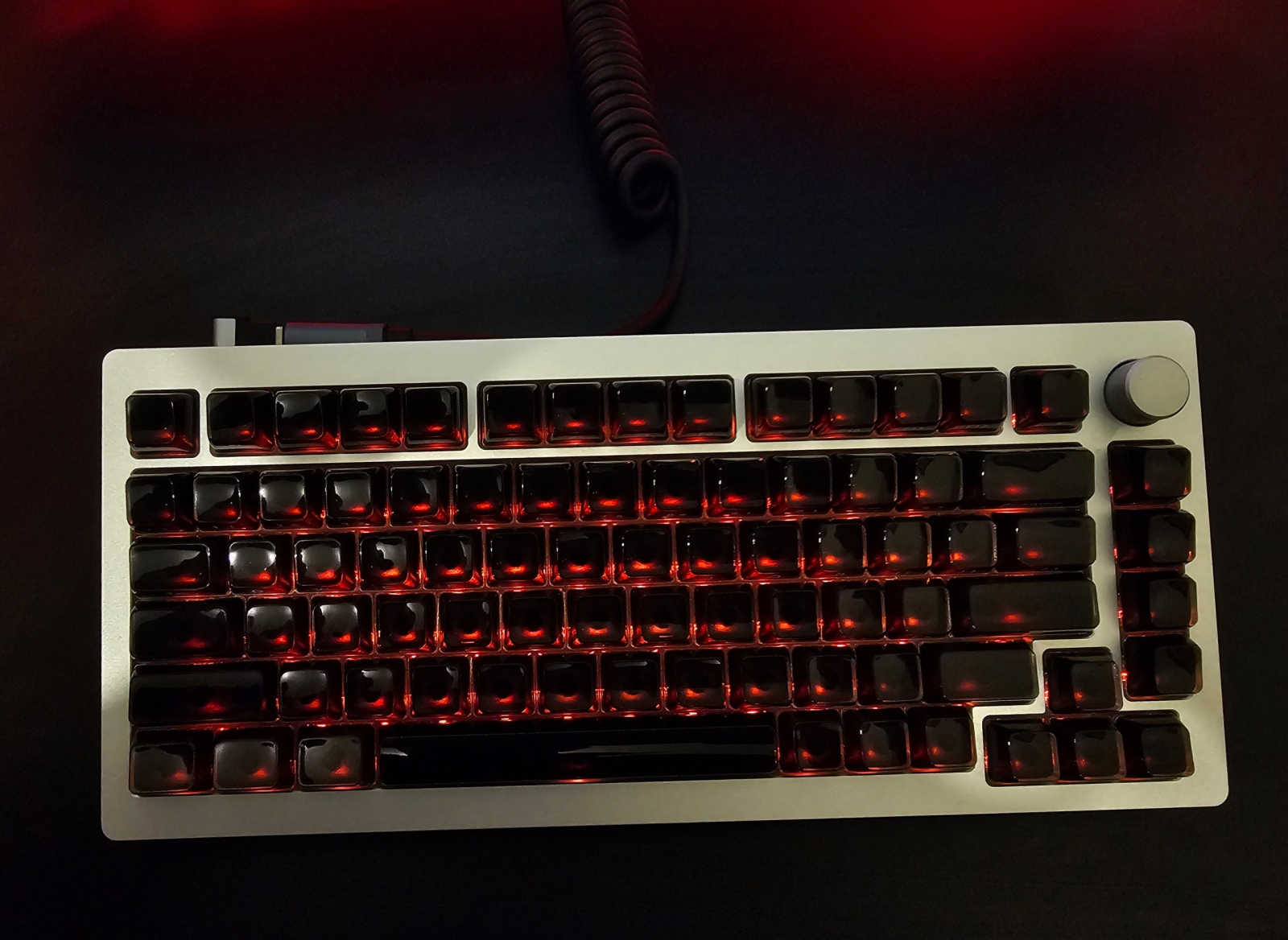
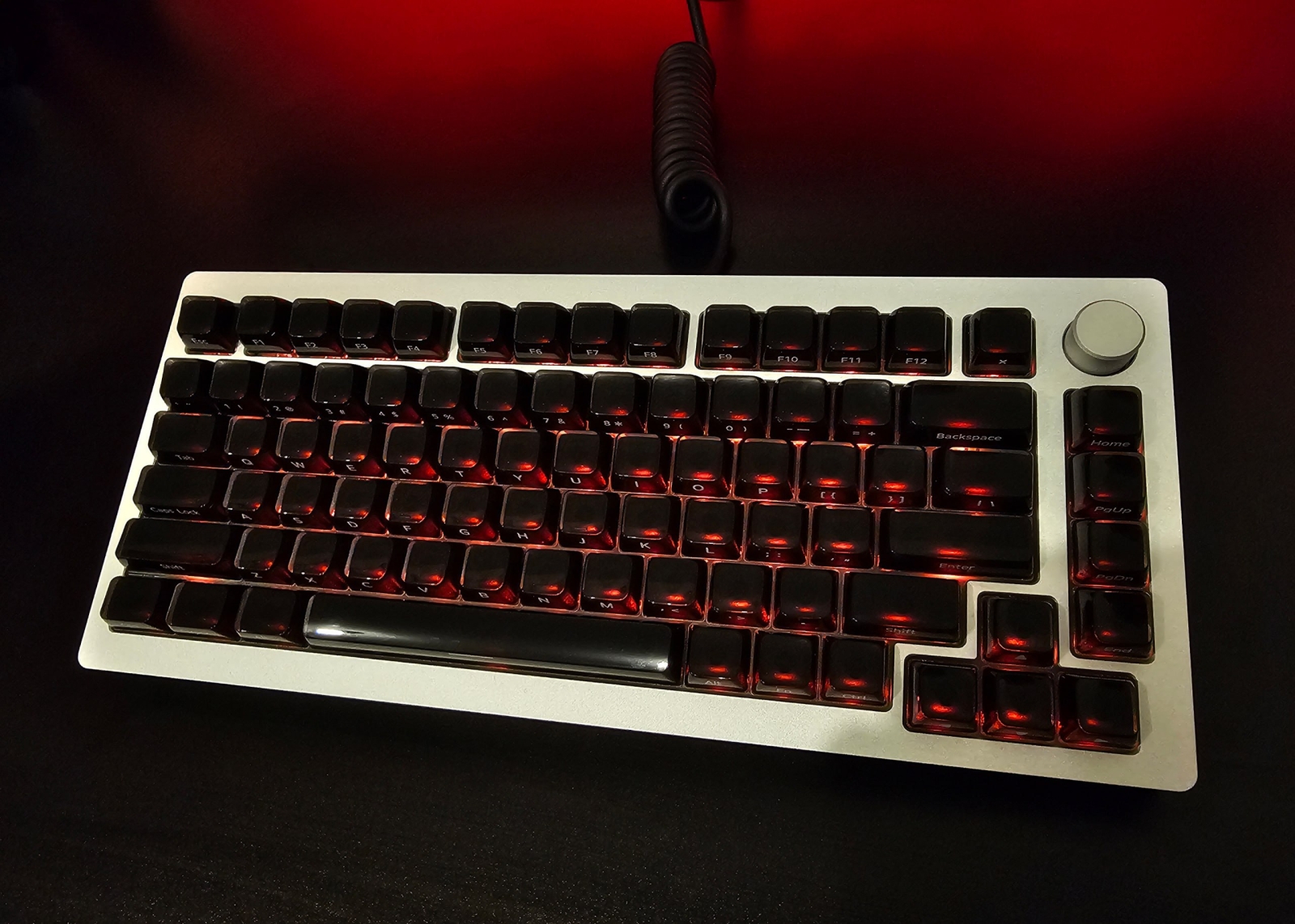
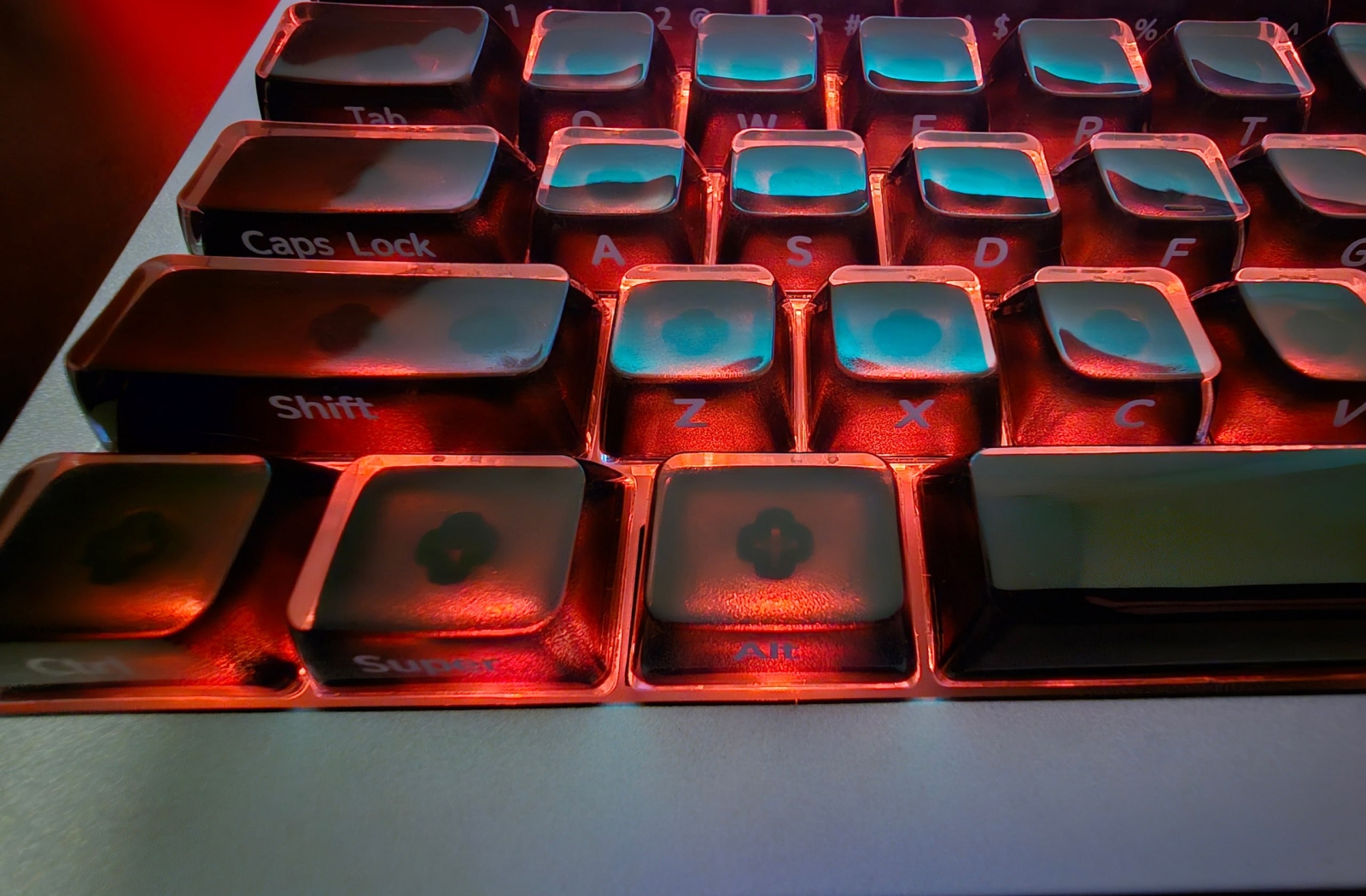
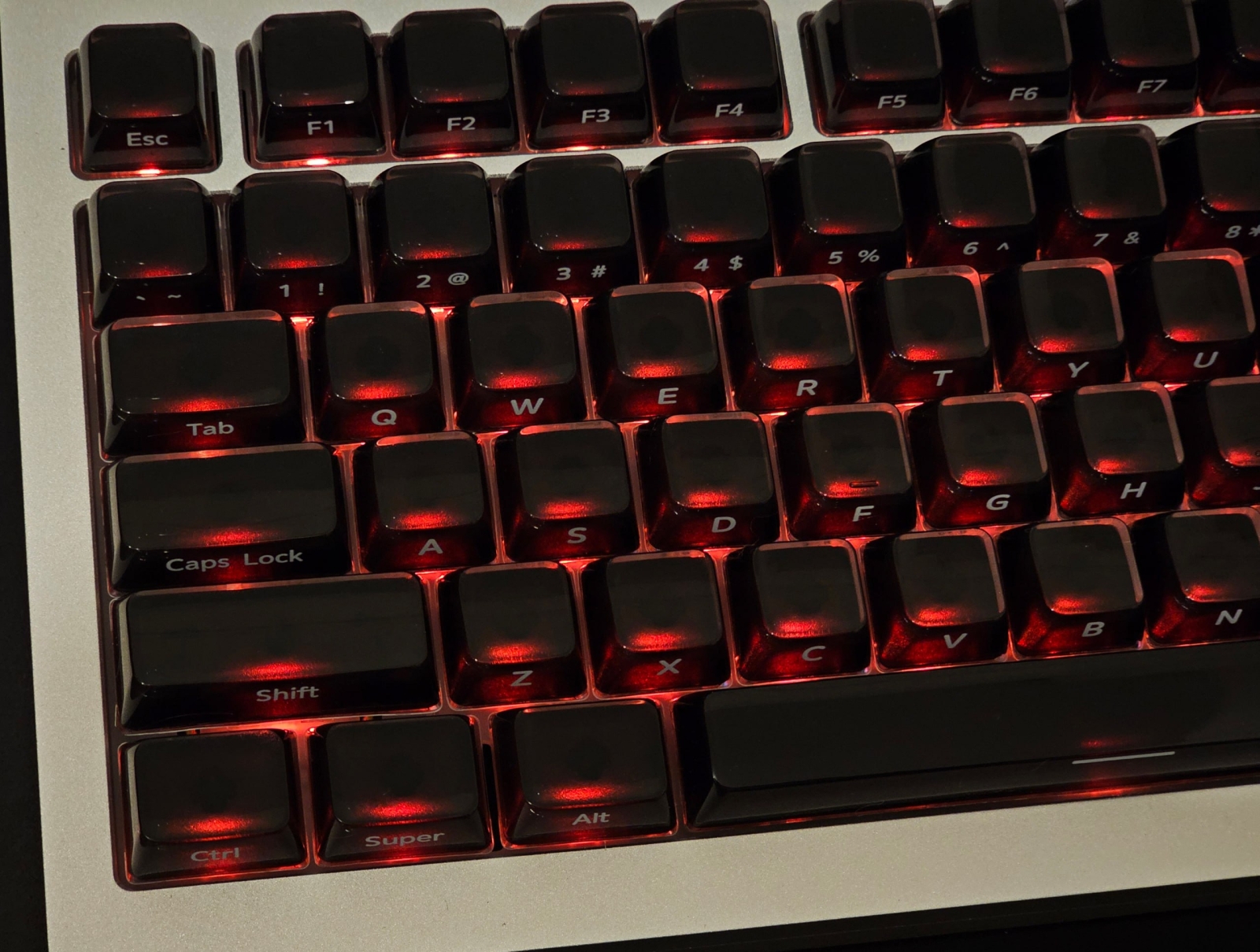
XVX is first of all a team with excellent skills in molding and pressing. While many manufacturers are limited by existing production technologies, XVX create both technologies and materials themselves, and sometimes come up with truly amazing things. And most importantly – while trendy brands like Keychron or the same NuPhy keep pumping out “solid” keycaps that don’t let the light through (which makes the keyboard backlight pointless), XVX, on the contrary, actively work with light and try to reveal its beauty.
The



This text was written on the rebuilt